Ce que tu vois dans le miroir n’est pas nécessairement la réalité.
MIRRORS est un projet photographique autour de la dysmorphie, du rapport au corps et de la manière dont notre perception de nous-mêmes peut se construire, se déformer et finalement se transformer.
Le projet trouve son origine dans une expérience personnelle. En 2020, après une opération de la colonne vertébrale, j’ai passé des mois sans pouvoir réellement bouger mon corps. Durant cette période, mon corps s’est profondément transformé et j’ai pris 25 kilos. Lorsque je me regardais dans le miroir, je ne reconnaissais plus l’homme qui se trouvait devant moi.
Face à cette image qui m’était devenue étrangère, j’ai décidé de faire quelque chose de très simple : photographier mon corps.
« Peut-être que si je prenais une photo de mon corps, sans ma tête, et que je la regardais tous les jours, je finirais un jour par trouver sexy le gars sur cette photo. »
J’ai pris une photographie de mon corps sans mon visage, puis à la regarder chaque jour. Au début, je ne voyais qu’un corps que je n’aimais pas et dans lequel je ne me reconnaissais pas. Mais avec le temps, quelque chose a changé. L’image est devenue familière. Puis, progressivement, j’ai commencé à trouver cet homme beau. Ensuite attirant. Jusqu’au moment où j’ai compris que mon regard sur moi-même était en train de changer.
Mon corps n’avait pas nécessairement changé.
Mon regard, lui, avait changé.
C’est à partir de cette expérience que MIRRORS interroge la différence entre le corps que nous avons, l’image que nous voyons et la réalité que nous croyons percevoir.
Le titre MIRRORS, au pluriel, est volontaire. Il n’existe pas un seul miroir. Il y en a plusieurs : le miroir physique, la photographie, notre propre regard, le regard des autres, les normes auxquelles nous nous comparons, et finalement le regard de ceux qui nous désirent.
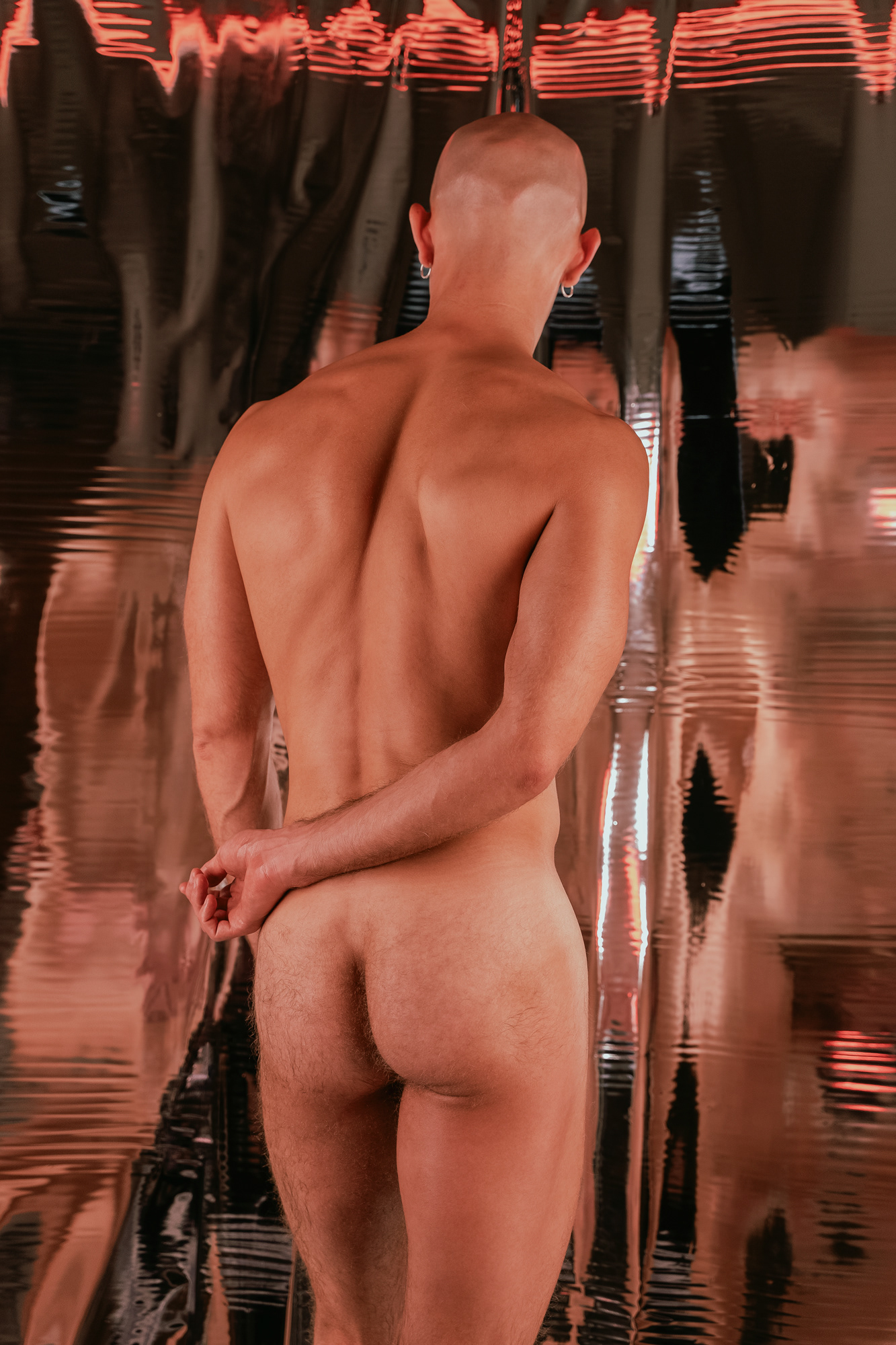
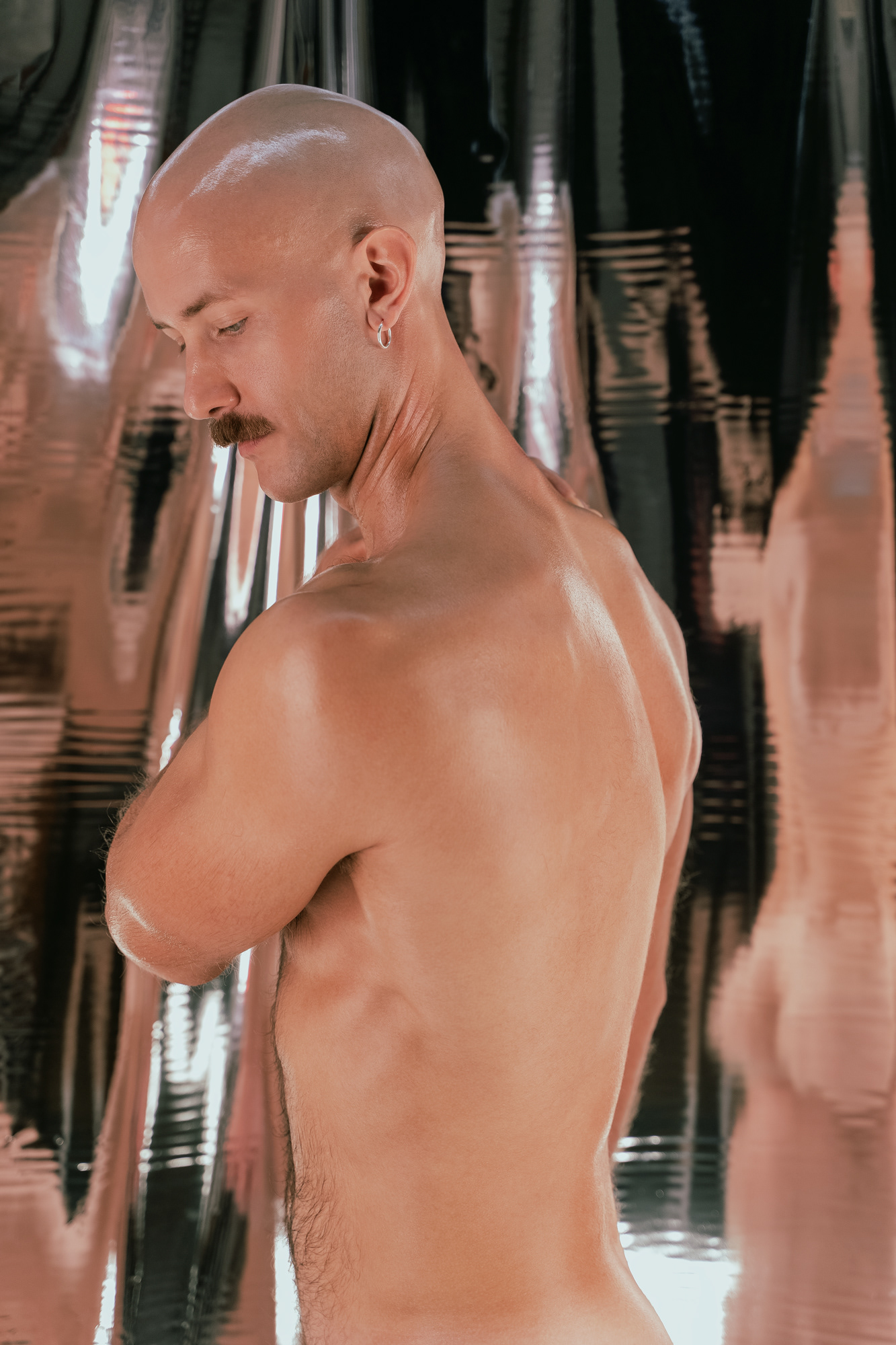
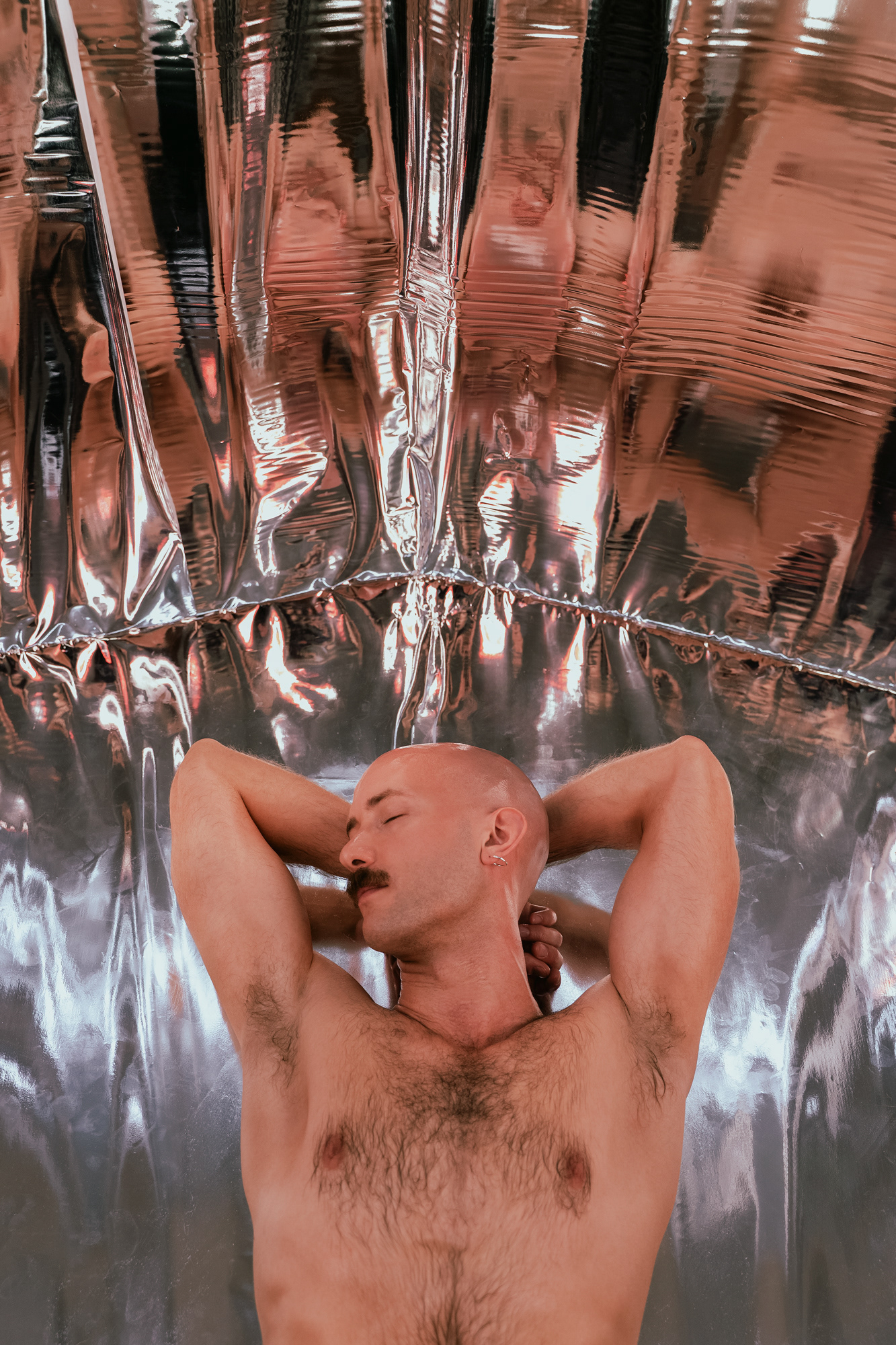
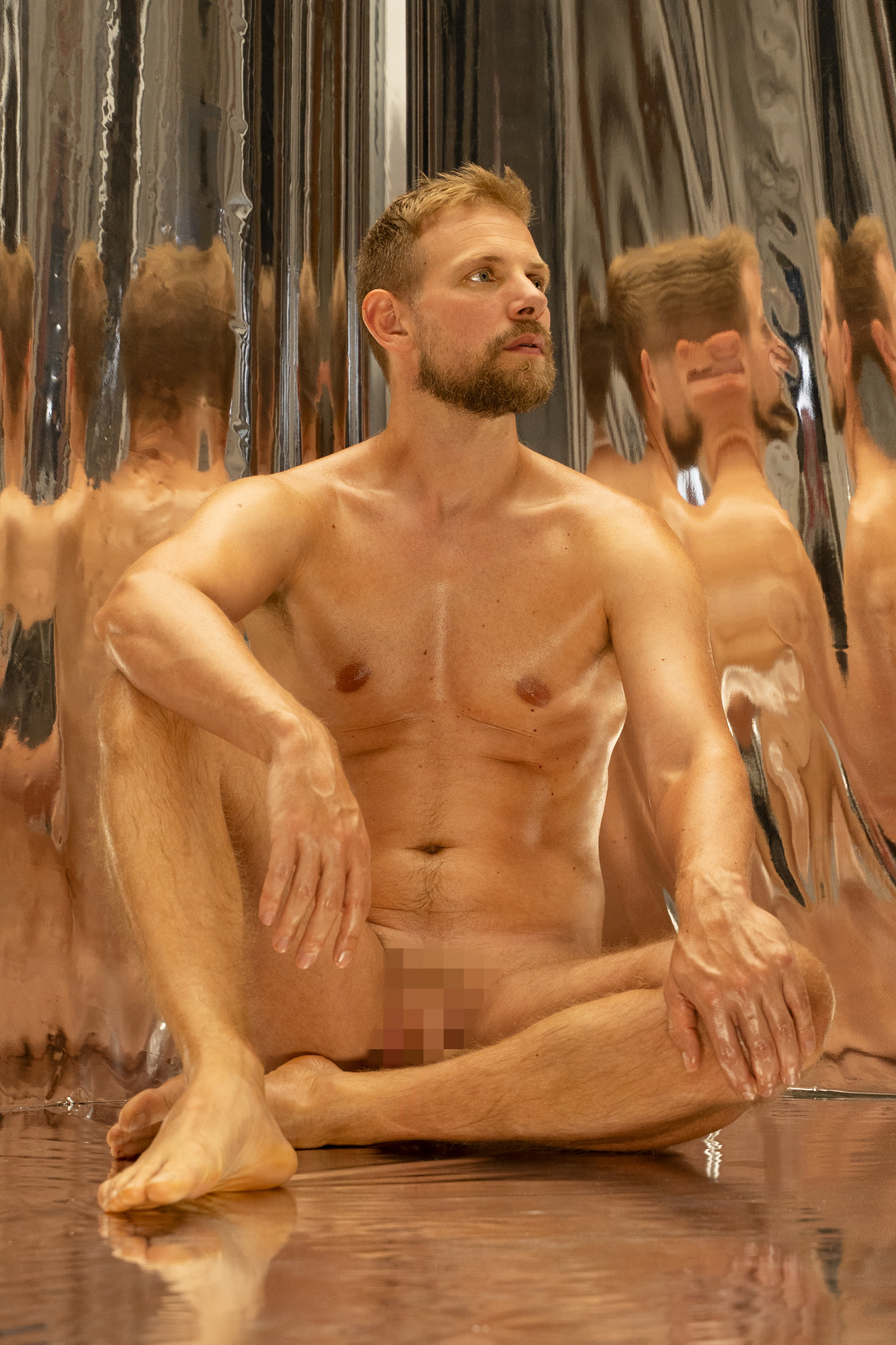
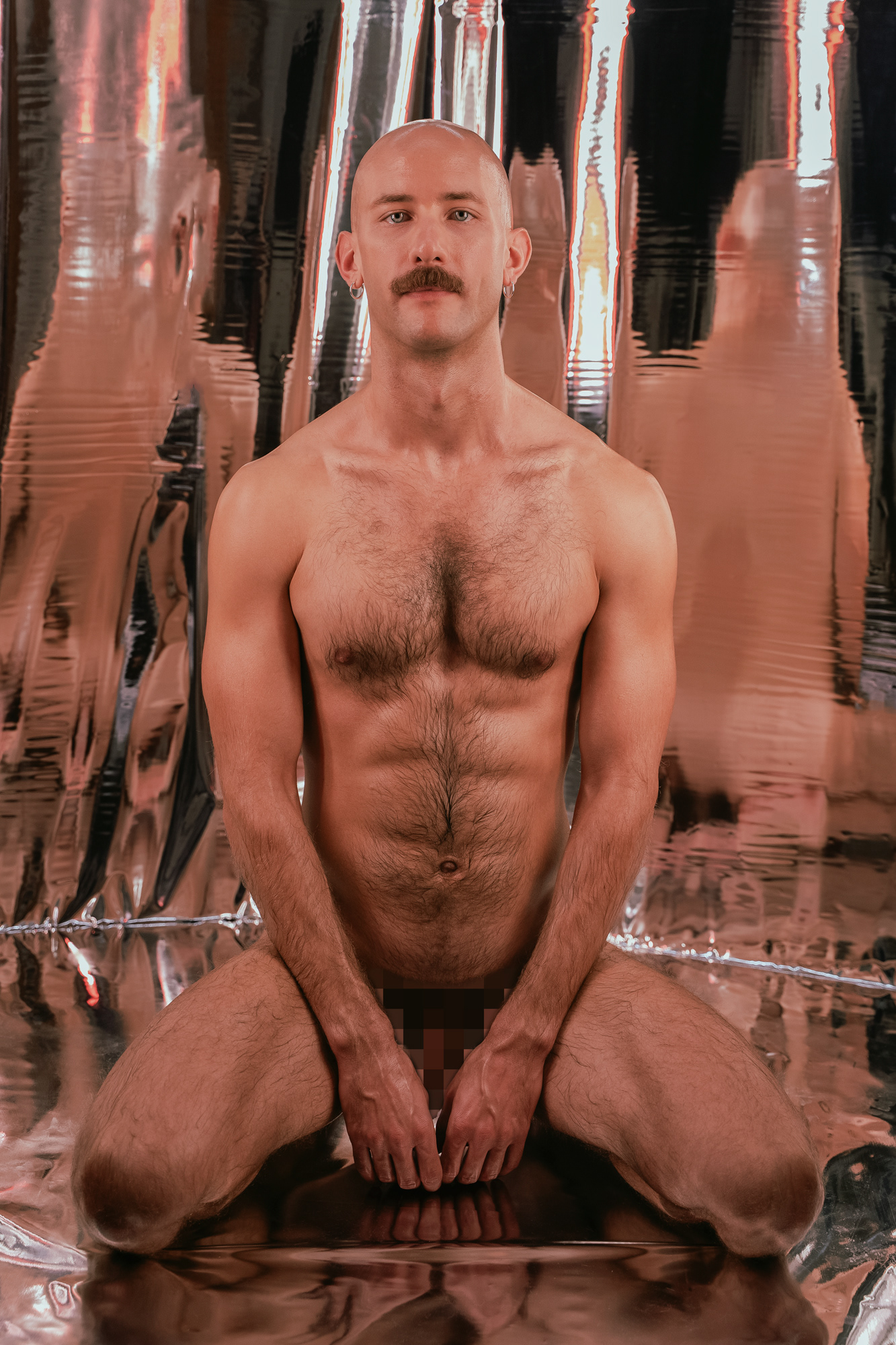
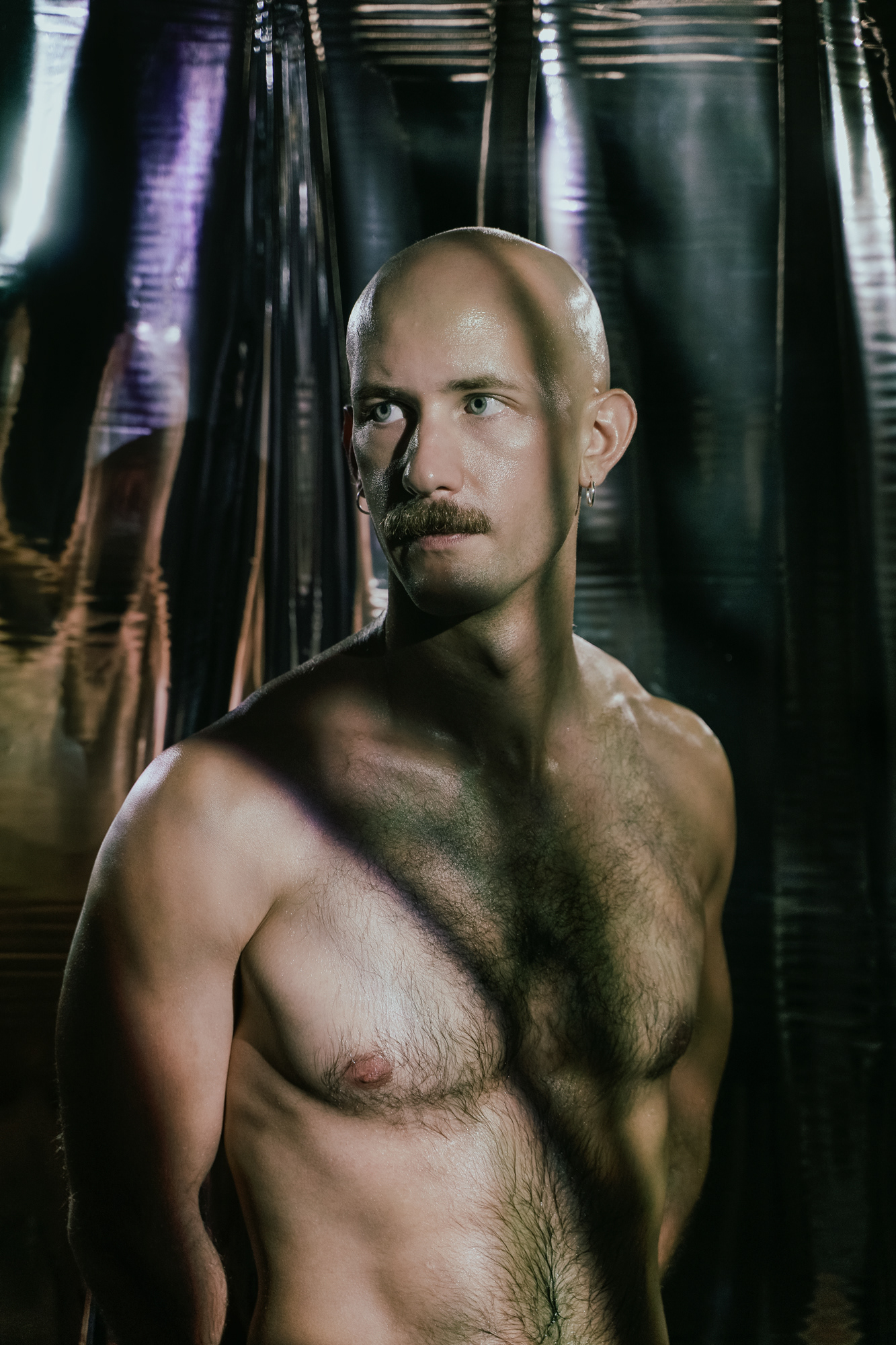
Le projet est construit autour de plusieurs représentations du corps. Les photographies habillées introduisent la question de l’apparence, de l’image que nous construisons et de la manière dont nous choisissons de nous présenter. Les photographies nues vont plus loin : elles retirent progressivement les protections et les codes qui accompagnent le corps habillé pour confronter le spectateur à la vulnérabilité du corps et à son propre regard.
Certaines images deviennent plus intimes, érotiques, voire explicites. Cette dimension n’est pas uniquement liée à la sexualité. Elle représente également le désir comme forme de validation.
Nous cherchons souvent à être regardés. À être choisis. À être désirés.
Dans le milieu gay, où le corps et la sexualité occupent une place importante dans les modes de rencontre et de représentation, cette recherche de validation peut être particulièrement présente. Le désir des autres peut devenir une sorte de miroir : si quelqu’un me désire, alors peut-être suis-je désirable. Si quelqu’un me trouve beau, alors peut-être puis-je enfin croire que je le suis.
Mais cette validation soulève une question essentielle :
Si j’ai besoin du regard des autres pour croire que je suis désirable, est-ce encore mon propre regard que je vois dans le miroir ?
MIRRORS cherche ainsi à faire circuler le spectateur entre plusieurs états : se voir, ne pas se reconnaître, s’observer, s’accepter, se désirer et être désiré.
Le projet ne cherche pas à définir ce qu’est un corps « beau » ou « normal ». Il cherche plutôt à questionner la fragilité de notre perception et la facilité avec laquelle nous pouvons confondre notre représentation de nous-mêmes avec la réalité.
Un même corps peut être perçu de manière radicalement différente selon le regard qui se pose sur lui.
Un corps.
Plusieurs images.
Plusieurs regards.
Plusieurs réalités.
Plusieurs images.
Plusieurs regards.
Plusieurs réalités.
MIRRORS est finalement une tentative de comprendre comment on peut apprendre à regarder son propre corps autrement — jusqu’à peut-être ne plus avoir besoin du miroir des autres pour se reconnaître, s’aimer et se désirer.
ENGLISH VERSION
What you see in the mirror is not necessarily reality.
MIRRORS is a photographic project exploring body dysmorphia, our relationship with the body, and the way our perception of ourselves can be constructed, distorted, and ultimately transformed.
The project was born from a personal experience. In 2020, following spinal surgery, I spent months unable to properly move my body. During that time, my body changed profoundly and I gained 25 kilos. When I looked at myself in the mirror, I could no longer recognise the man standing in front of me.
Faced with an image of myself that had become unfamiliar, I decided to do something very simple: photograph my body.
“Maybe if I took a picture of my body, without my head, and looked at it every day, one day I would find the guy in that picture sexy.”
I took a photograph of my body without my face and began looking at it every day. At first, all I could see was a body I did not like, a body I could not recognise as my own. But with time, something began to change. The image became familiar. Gradually, I started to find this man beautiful. Then attractive. Until the moment I realised that the way I looked at myself was beginning to change.
My body had not necessarily changed.
My perception of it had.
It is from this experience that MIRRORS explores the distance between the body we have, the image we see, and the reality we believe we perceive.
The title MIRRORS, in the plural, is intentional. There is not just one mirror. There are many: the physical mirror, photography, our own gaze, the gaze of others, the standards we compare ourselves to, and ultimately the gaze of those who desire us.
The project is built around different representations of the body. The clothed photographs introduce questions of appearance, the image we construct, and the way we choose to present ourselves. The nude photographs go further: they gradually remove the protections and codes associated with the clothed body, confronting the viewer with vulnerability and with their own gaze.
Some images become more intimate, erotic, even explicit. This dimension is not solely about sexuality. It also represents desire as a form of validation.
We often seek to be seen. To be chosen. To be desired.
Within gay culture, where the body and sexuality play an important role in the ways we meet, connect and represent ourselves, this search for validation can become particularly present. Other people's desire can become a kind of mirror: if someone desires me, perhaps I am desirable. If someone finds me beautiful, perhaps I can finally believe that I am.
But this search for validation raises an essential question:
If I need the gaze of others to believe that I am desirable, is it still my own reflection that I see in the mirror?
MIRRORS invites the viewer to move through different states: seeing oneself, not recognising oneself, observing oneself, accepting oneself, desiring oneself, and being desired.
The project does not seek to define what a “beautiful” or “normal” body is. Instead, it questions the fragility of our perception and how easily we can confuse our representation of ourselves with reality.
The same body can be perceived radically differently depending on the gaze that falls upon it.
One body.
Many images.
Many gazes.
Many realities.
Many images.
Many gazes.
Many realities.
Ultimately, MIRRORS is an attempt to understand how we can learn to look at our own bodies differently — until perhaps we no longer need the mirrors of others to recognise ourselves, love ourselves, and desire ourselves.
Greg
Greg
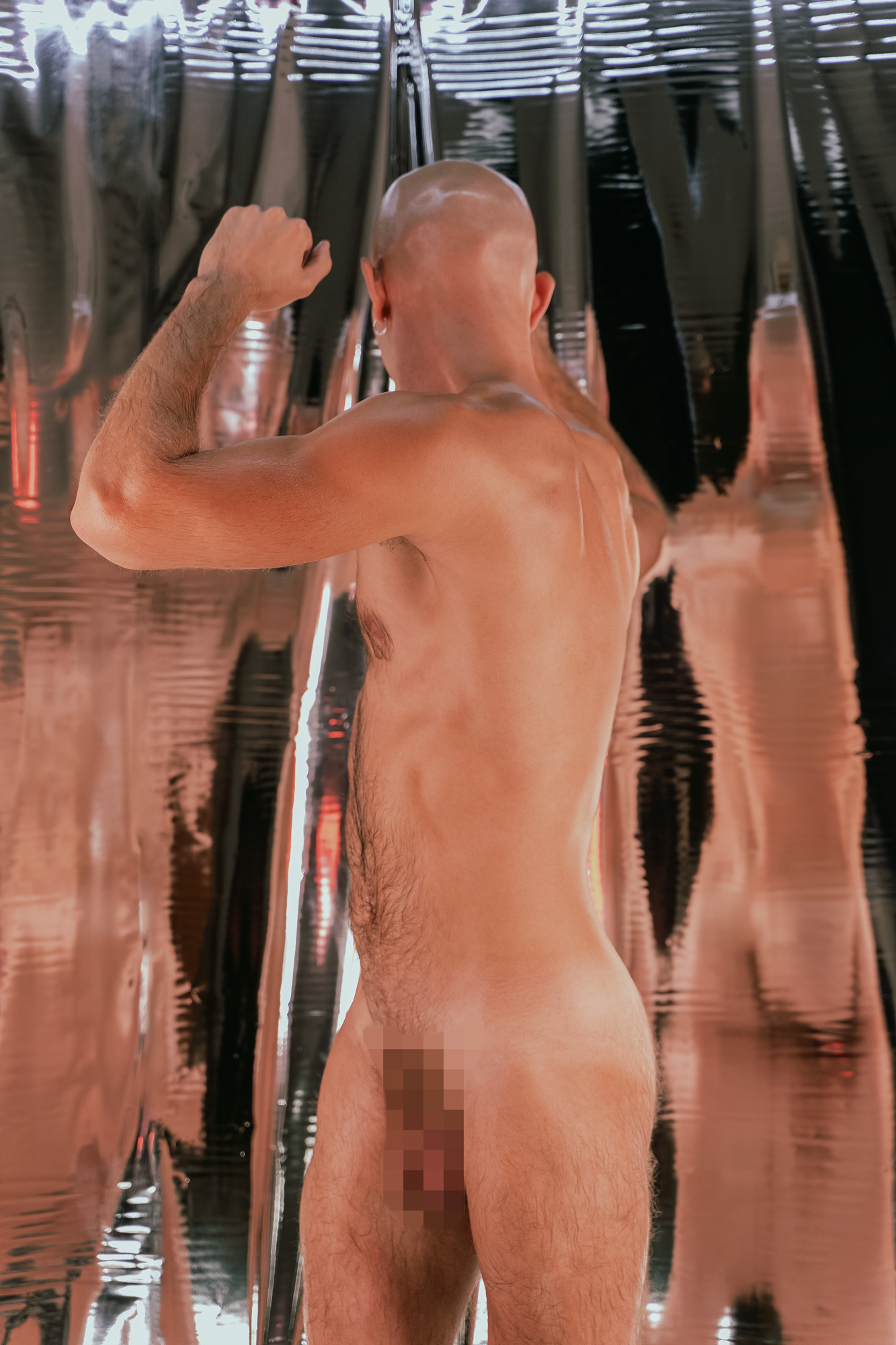
Greg

Jeroen
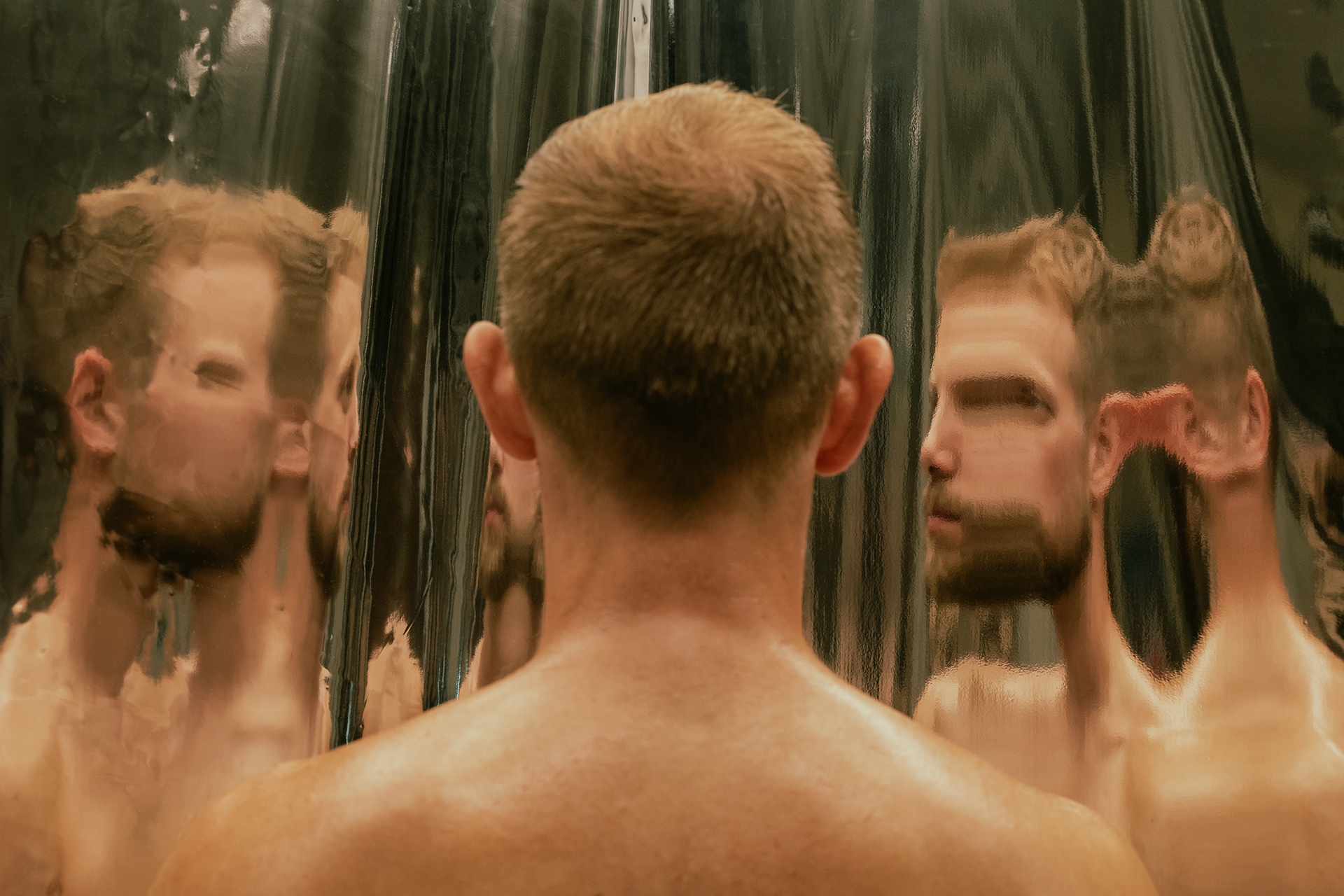
Jeroen
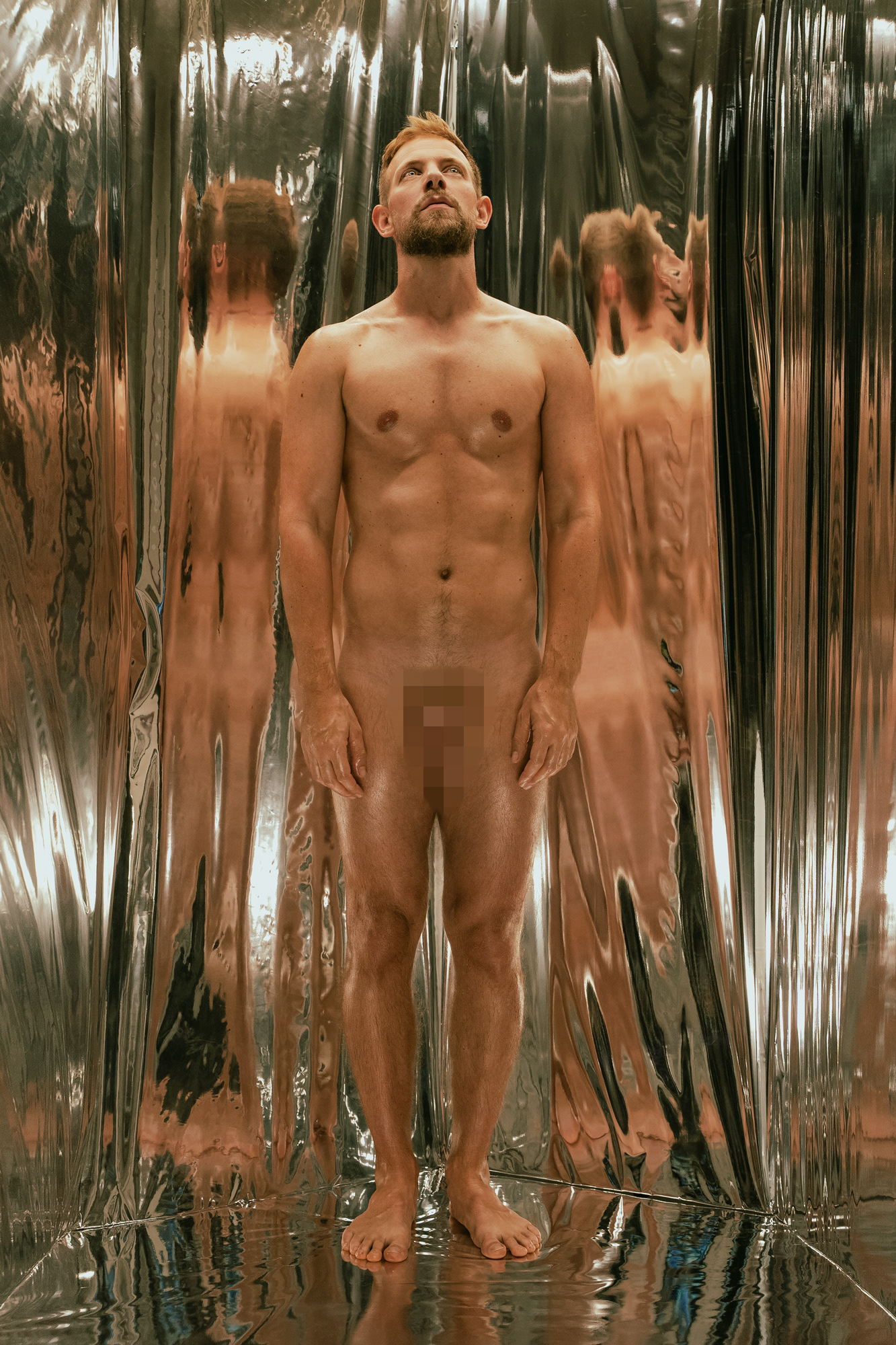
Jeroen
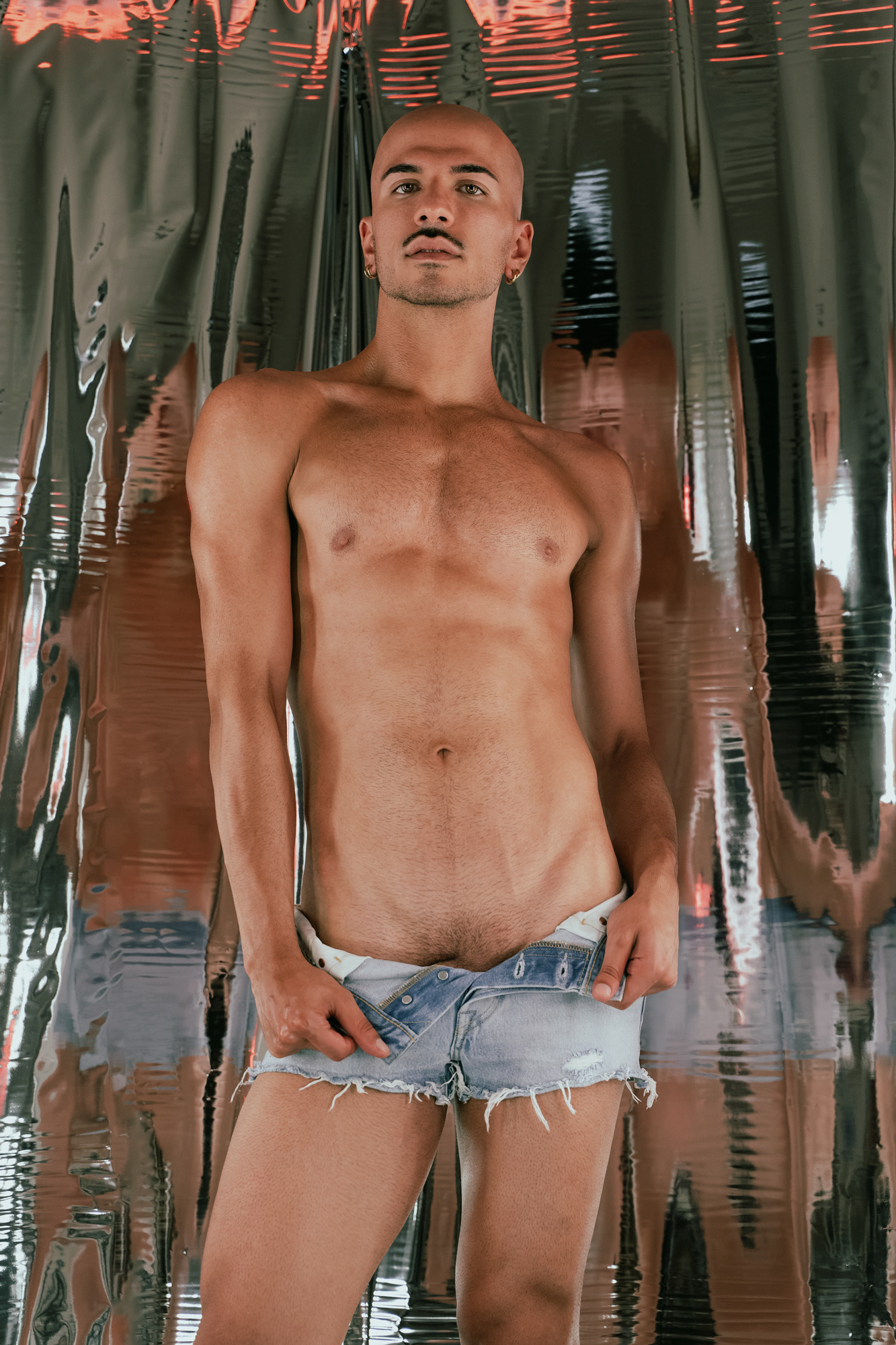
Sacer
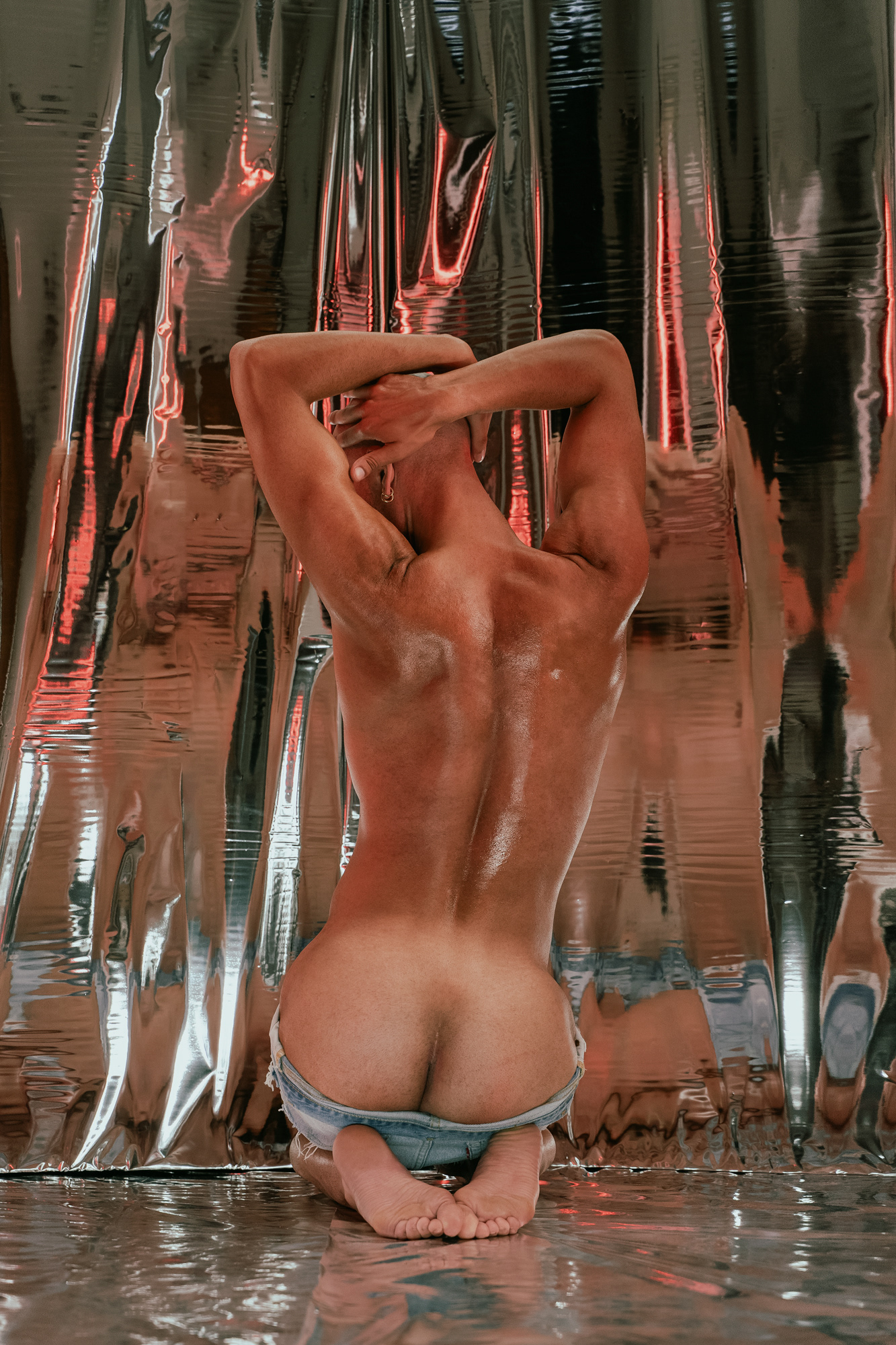
Sacer
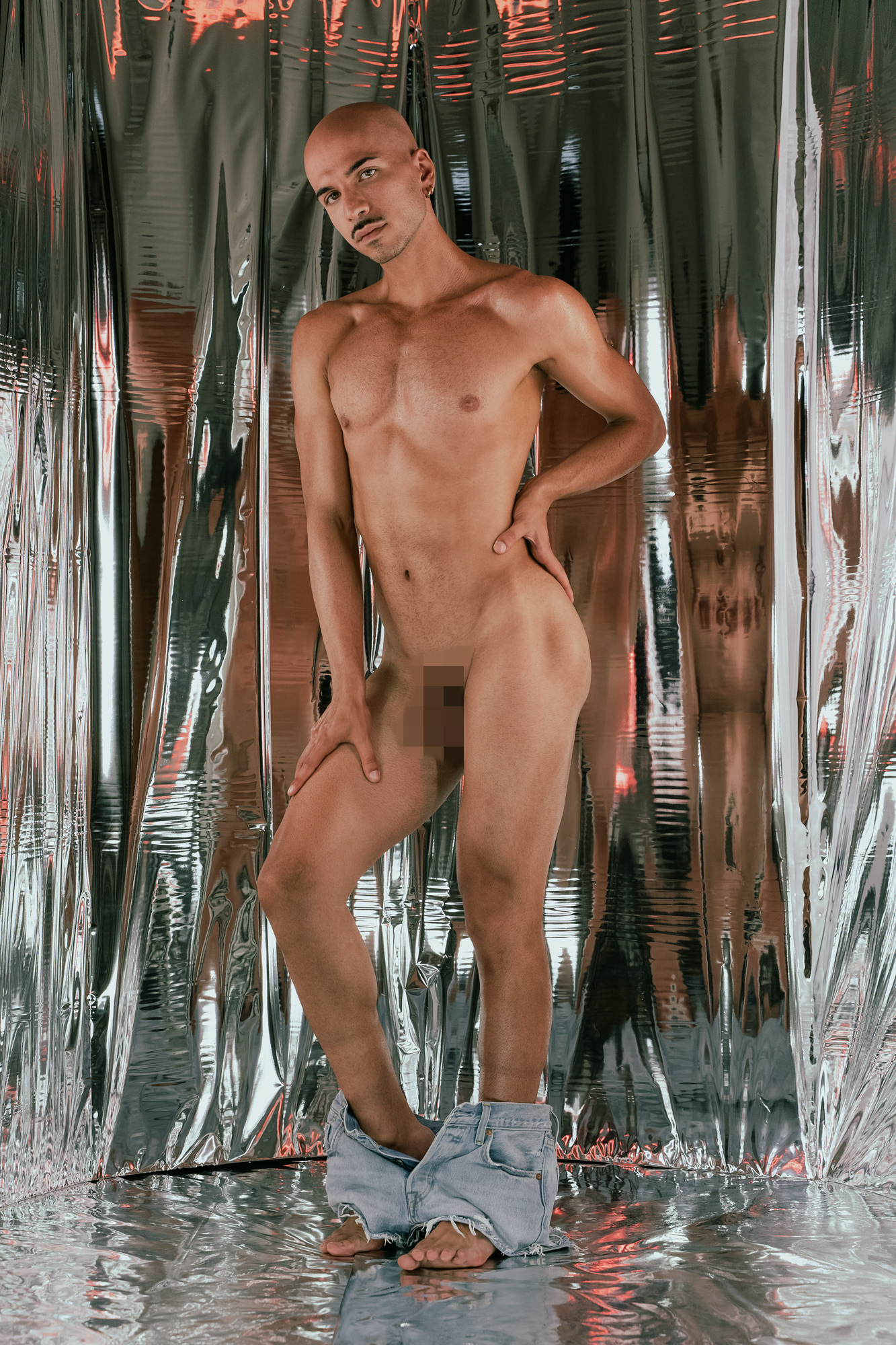
Sacer
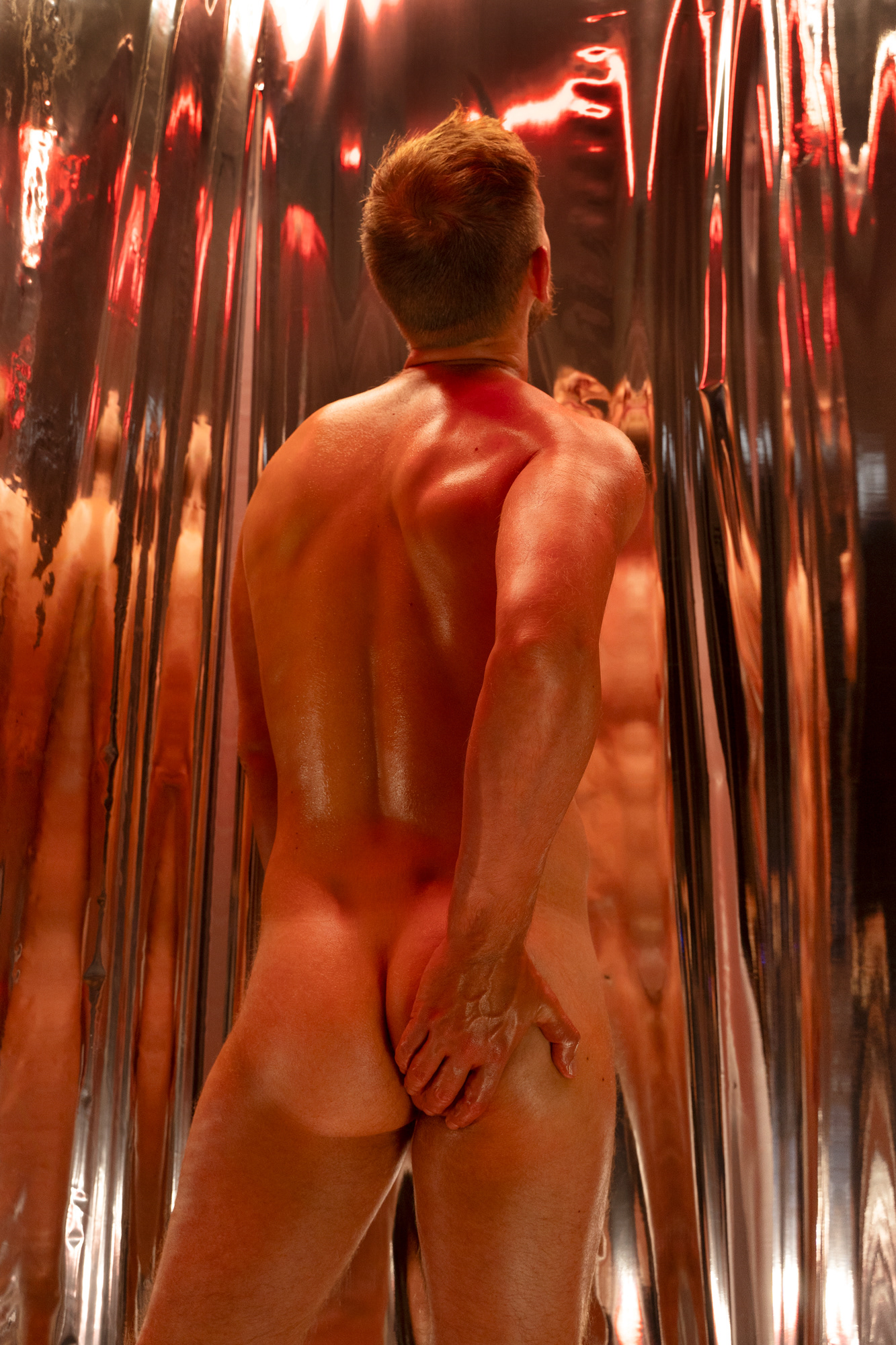
Jeroen
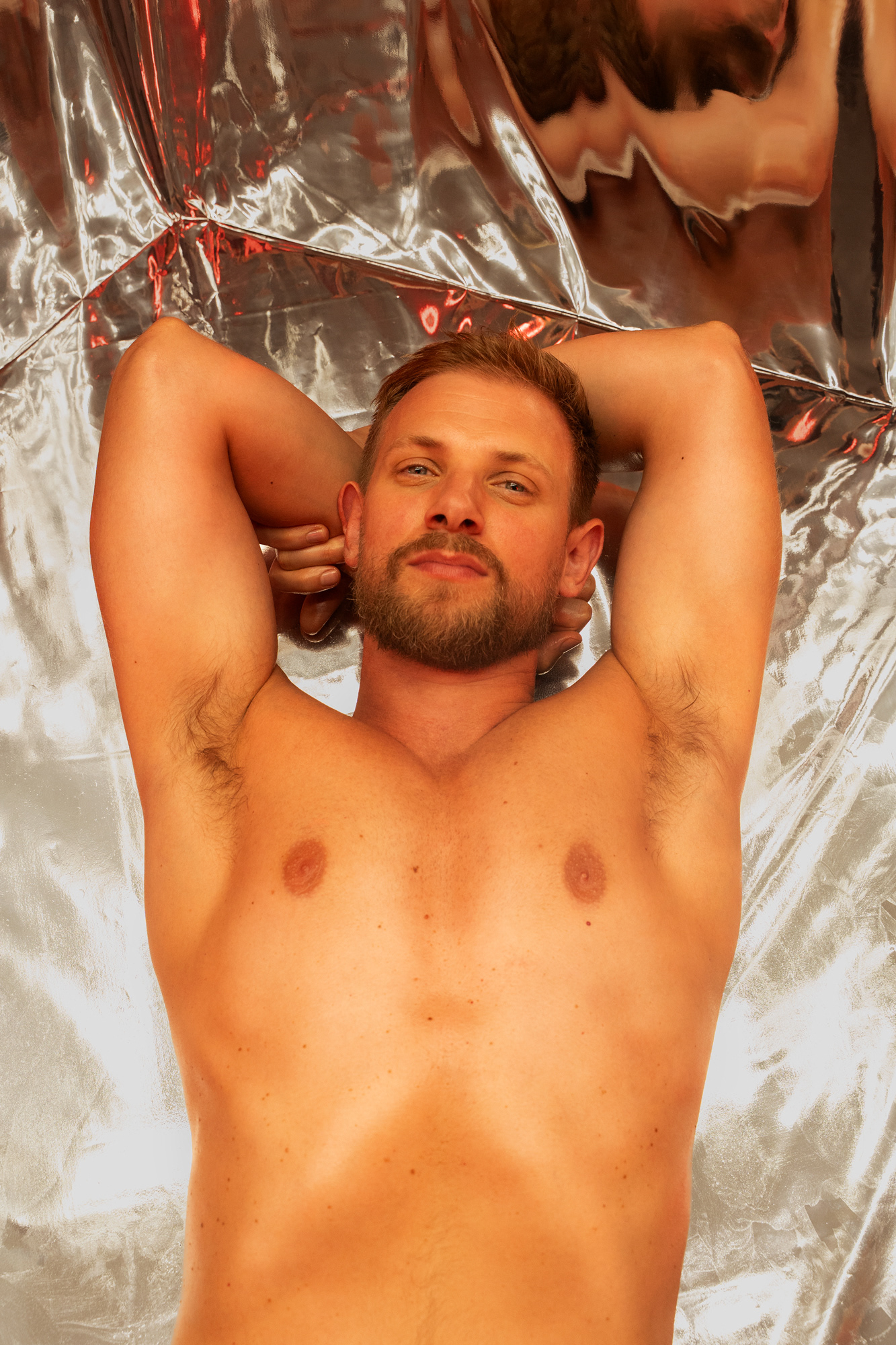
Jeroen
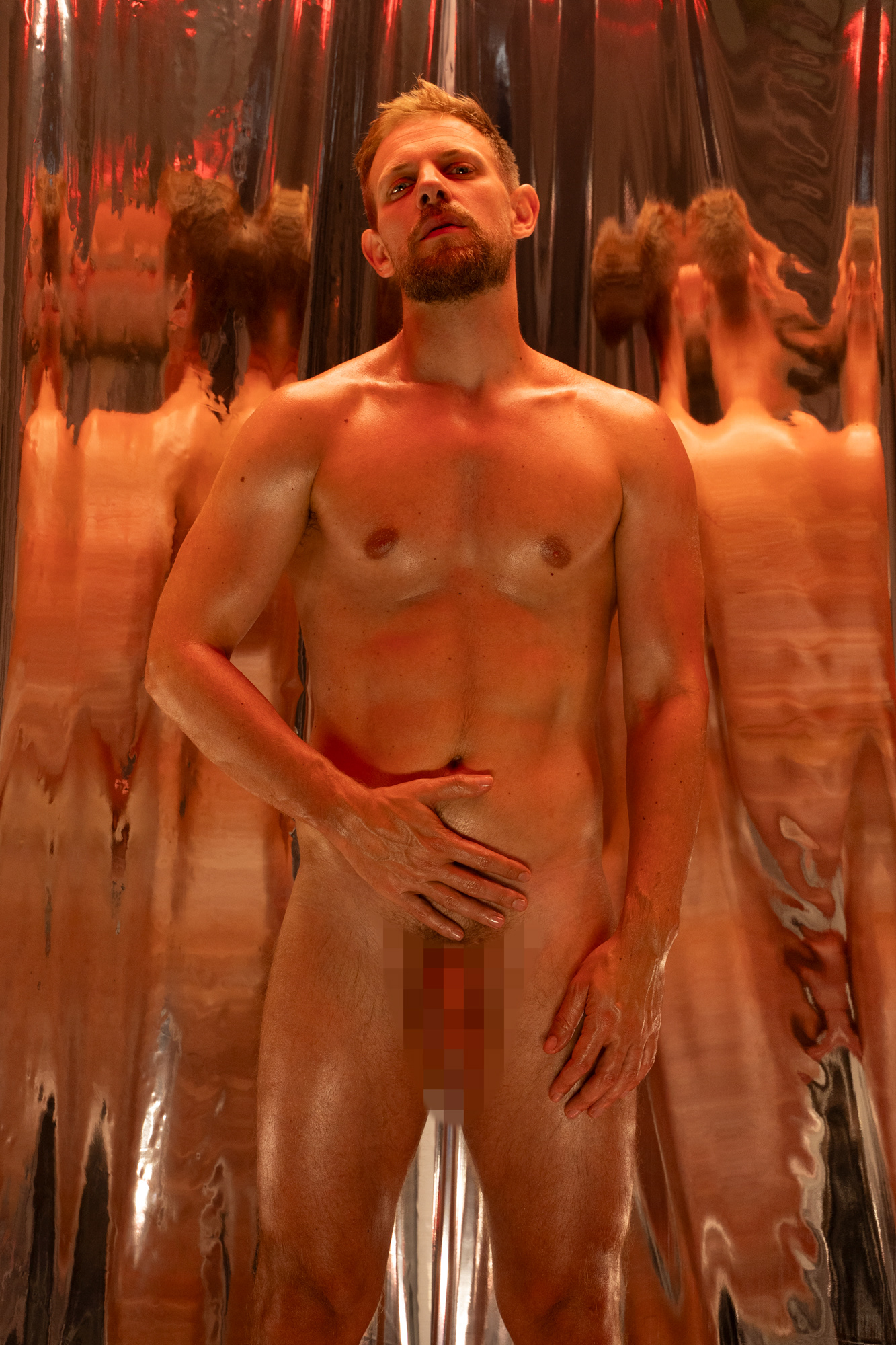
Jeroen

Sacer
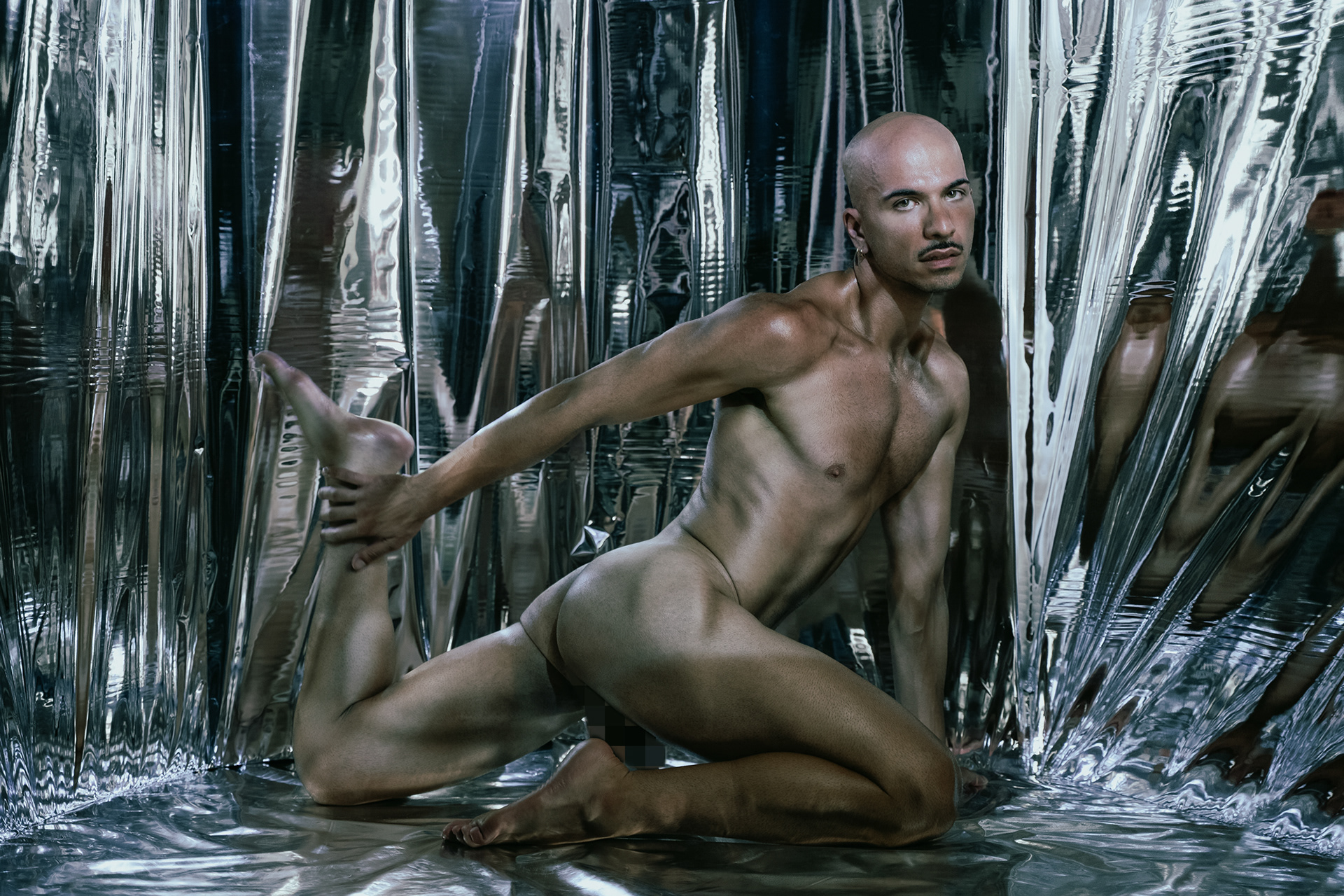
Sacer
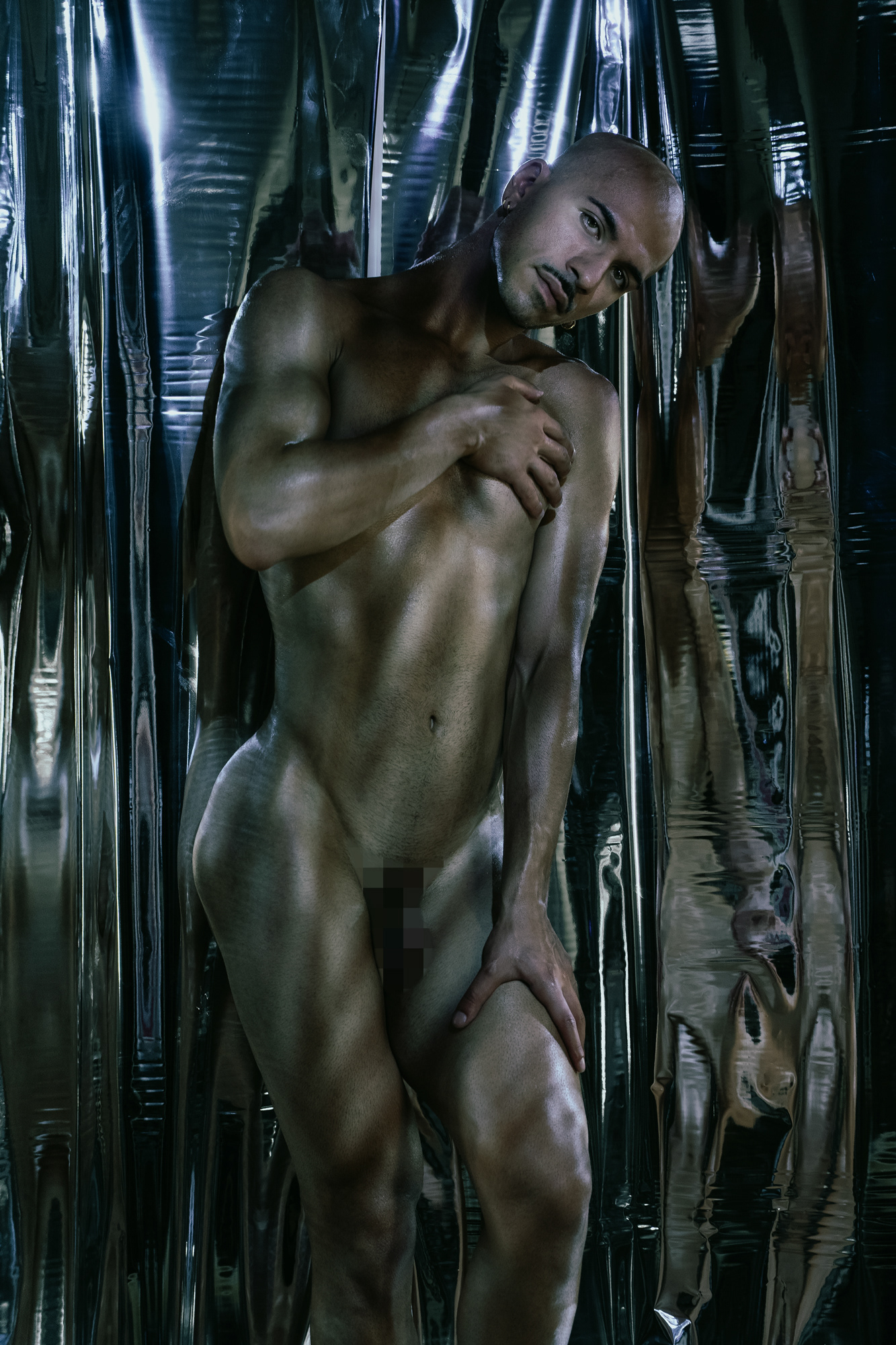
Sacer
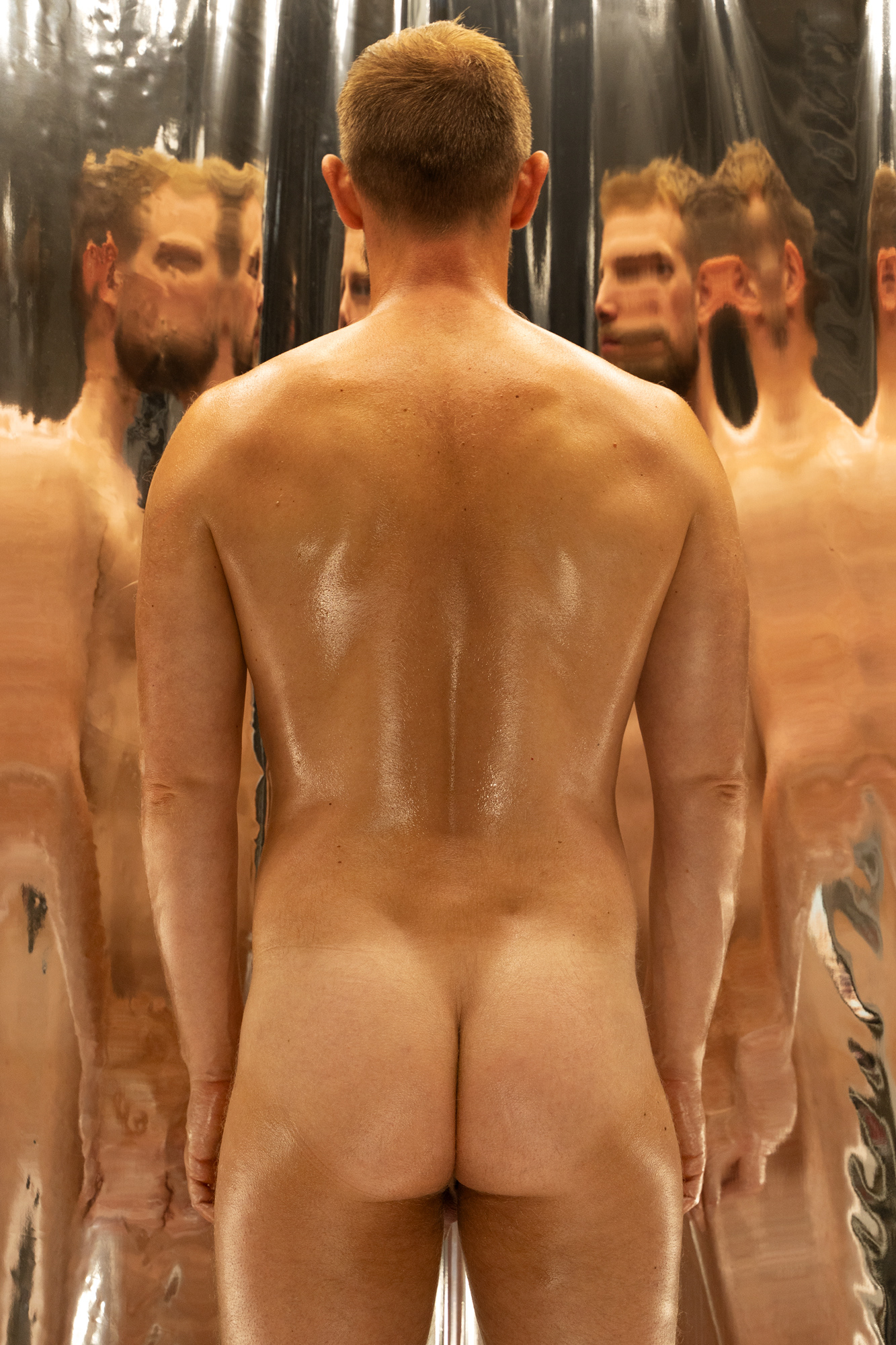
Jeroen
Jeroen

Jeroen
Greg
Greg